Understanding Fireproofing Solutions for Your Construction Projects

Fire safety is a critical aspect of construction that cannot be overlooked. With the increasing frequency of wildfires and urban fires, ensuring that buildings are adequately protected against fire hazards is more important than ever. Fireproofing solutions play a vital role in safeguarding lives and property. This blog post will explore various fireproofing methods, their benefits, and how to choose the right solution for your construction projects.
What is Fireproofing?
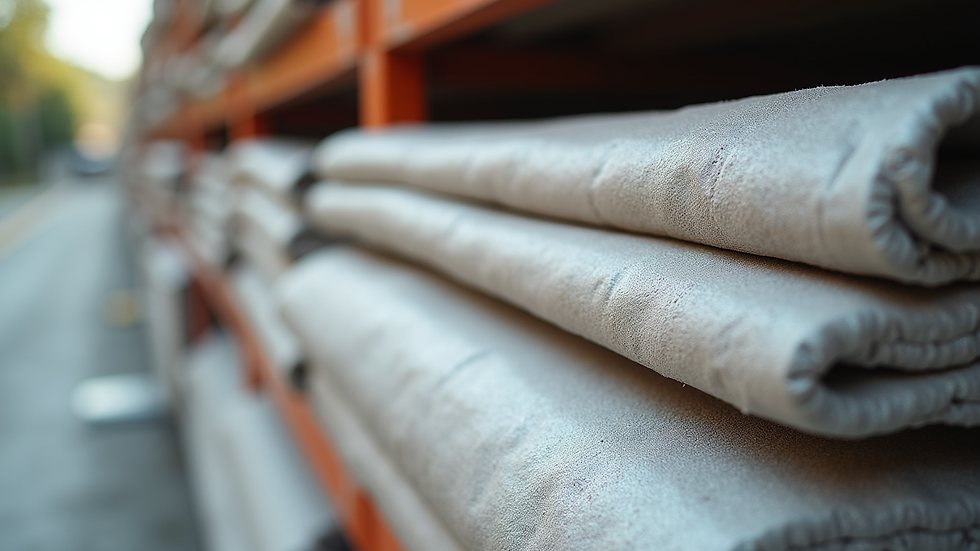
Fireproofing refers to the process of making a structure resistant to fire. This can be achieved through various methods, including the application of fire-resistant materials, coatings, and systems designed to slow down or prevent the spread of flames and smoke. The primary goal of fireproofing is to protect both the occupants of a building and the structure itself.
Why is Fireproofing Important?
The importance of fireproofing cannot be overstated. Here are some key reasons why fireproofing is essential in construction:
Life Safety: Fireproofing helps protect the lives of occupants by providing them with more time to evacuate in the event of a fire.
Property Protection: Effective fireproofing can minimize damage to the building and its contents, potentially saving millions in repair costs.
Compliance: Many local building codes and regulations require specific fireproofing measures to be in place. Non-compliance can lead to fines and legal issues.
Insurance Benefits: Buildings that are adequately fireproofed may qualify for lower insurance premiums, as they pose a lower risk to insurers.
Types of Fireproofing Solutions
There are several fireproofing solutions available, each with its unique properties and applications. Here are some of the most common types:
1. Intumescent Coatings
Intumescent coatings are a popular choice for fireproofing steel structures. When exposed to high temperatures, these coatings expand and form a thick, insulating char layer that protects the underlying material from heat.
Benefits:
Lightweight and aesthetically pleasing
Can be applied in various colors
Suitable for both interior and exterior applications
2. Cementitious Fireproofing
Cementitious fireproofing involves the application of a mixture of cement, aggregates, and other additives to create a fire-resistant barrier. This method is commonly used for structural steel and concrete surfaces.
Benefits:
High durability and resistance to moisture
Excellent thermal insulation properties
Cost-effective for large projects
3. Fire-Resistant Boards
Fire-resistant boards, such as gypsum boards, are used to create fire-rated walls and ceilings. These boards are designed to withstand high temperatures and prevent the spread of flames.
Benefits:
Easy to install and finish
Provides sound insulation in addition to fire resistance
Available in various thicknesses and sizes
4. Spray-On Fireproofing
Spray-on fireproofing involves applying a fire-resistant material in a spray form to structural elements. This method is often used for large areas and complex shapes.
Benefits:
Quick application process
Can cover irregular surfaces effectively
Provides a seamless fireproofing solution
5. Fire-Resistant Glass
Fire-resistant glass is used in windows and doors to prevent the spread of fire and smoke. This type of glass is designed to withstand high temperatures while maintaining visibility.
Benefits:
Allows natural light while providing fire protection
Available in various styles and thicknesses
Can be combined with other fireproofing methods for enhanced safety
Choosing the Right Fireproofing Solution
Selecting the appropriate fireproofing solution for your construction project depends on several factors. Here are some key considerations:
1. Building Type and Use
Different buildings have different fire safety requirements. For example, commercial buildings may require more stringent fireproofing measures than residential structures. Understanding the building's purpose will help you determine the necessary fireproofing solutions.
2. Local Building Codes
Always check local building codes and regulations regarding fireproofing. Compliance with these codes is essential to ensure the safety of occupants and avoid legal issues.
3. Budget
Fireproofing solutions vary in cost. Consider your budget when selecting a fireproofing method. While some solutions may have a higher upfront cost, they may offer long-term savings through reduced insurance premiums and maintenance costs.
4. Aesthetic Considerations
Some fireproofing methods, such as intumescent coatings, can be customized to match the building's design. If aesthetics are a priority, consider solutions that offer both fire protection and visual appeal.
5. Installation and Maintenance
Consider the installation process and ongoing maintenance requirements of each fireproofing solution. Some methods may require specialized contractors, while others can be installed by general contractors.
Fireproofing in Different Construction Phases
Fireproofing should be integrated into the construction process from the very beginning. Here’s how fireproofing can be applied at various stages:
Pre-Construction Phase
During the planning and design phase, it is crucial to identify fire hazards and determine the necessary fireproofing measures. Collaborate with architects and fire safety experts to develop a comprehensive fire safety plan.
Construction Phase
Implement fireproofing solutions as construction progresses. Ensure that all materials are installed according to manufacturer specifications and local codes. Regular inspections should be conducted to verify compliance.
Post-Construction Phase
After construction is complete, conduct a thorough inspection of all fireproofing measures. This includes checking for any damage or wear that may have occurred during the construction process. Regular maintenance and inspections should be scheduled to ensure ongoing fire safety.
Case Studies: Successful Fireproofing Applications
Case Study 1: High-Rise Office Building
In a recent high-rise office building project, the construction team opted for a combination of intumescent coatings and fire-resistant boards. This approach provided both aesthetic appeal and robust fire protection. The building successfully passed all fire safety inspections and has since received positive feedback from tenants regarding its safety features.
Case Study 2: Industrial Warehouse
An industrial warehouse faced challenges due to its large open spaces and high ceilings. The team chose spray-on fireproofing for its quick application and ability to cover irregular surfaces. This solution not only met fire safety requirements but also minimized downtime during construction.
Conclusion
Fireproofing is an essential aspect of construction that protects lives and property. By understanding the various fireproofing solutions available and considering factors such as building type, local codes, and budget, you can make informed decisions for your construction projects. Prioritizing fire safety will not only ensure compliance but also provide peace of mind for occupants and stakeholders alike.
As you embark on your next construction project, remember that investing in effective fireproofing solutions is a crucial step toward creating a safe and secure environment. Take action today to safeguard your building against fire hazards.


Comments